8 questions to ask before you invest in Pilates teacher training
You love Pilates. It’s the hour you look forward to most in the week. Maybe you’re starting to wonder if you could turn your passion into a career.
That’s the dream for most of us, right? We want to do meaningful work that we care about, while getting paid. But the reality of teaching Pilates for a living is very different from the reality of being a dedicated Pilates student.
I’ve made it my literal business to train new Pilates teachers. I believe educating, mentoring and supporting the next generation of teachers is vital if we want to continue helping people feel better through this particular approach to movement. If you want to teach, enrolling in a teacher training program is a necessary step!
But before you spend your life savings on a program, it’s worth slowing down and asking yourself a few key questions.
The questions in this post aren't meant to be discouraging. They're the questions that many Pilates teachers will tell you they wished they’d asked heading into their first training. Work through them carefully, and you'll have a much clearer picture of whether this path is right for you, and whether now is the right time to take it.
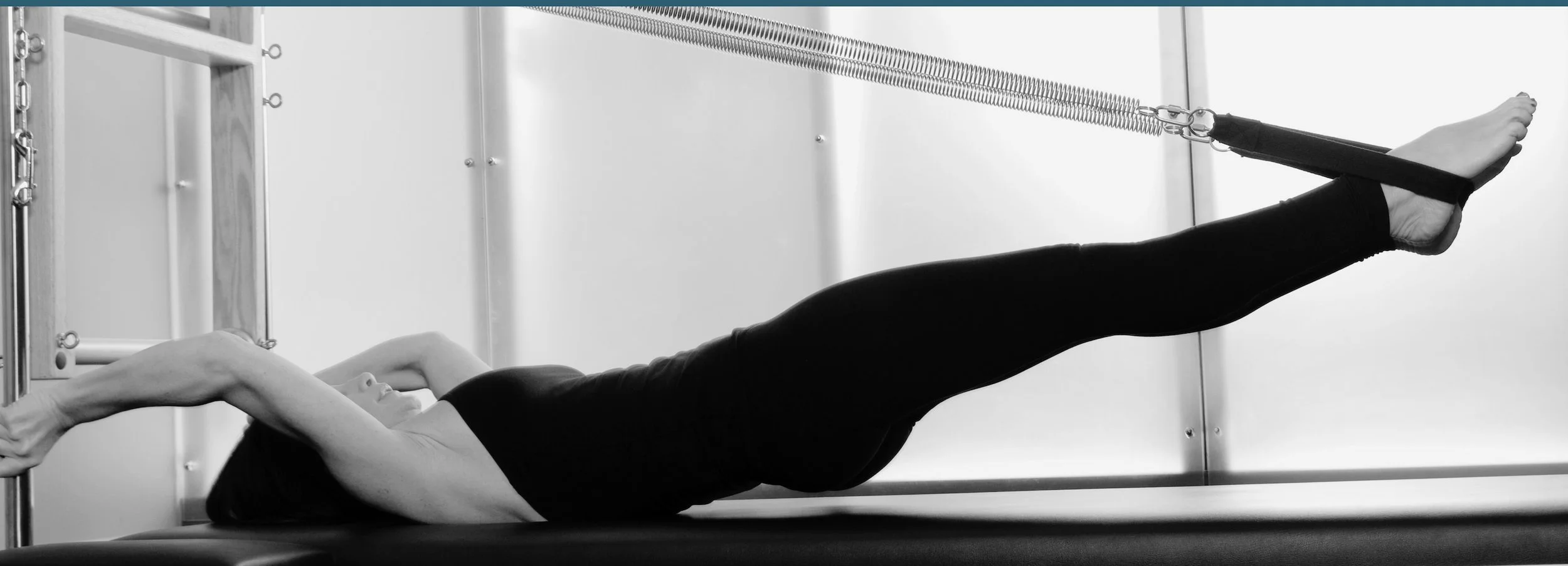
Image courtesy of EYT Pilates
1. Do I really want to teach or do I just want to do Pilates?
Loving Pilates doesn’t automatically mean you’ll love teaching it. When you're a student, Pilates is yours to enjoy. Teaching means shifting that attention entirely onto someone else. You'll be watching, cueing, problem-solving, and encouraging, while managing client expectations and experiences. Sometimes that’s energizing and inspiring! Sometimes it wears you out.
When I’m teaching a heavy class load, the last thing I often want to do after my shift is Pilates! Before you commit to teacher training, make sure you’re prepared for your “me time” to become your work time.
2. Am I prepared for the financial reality of building a Pilates career?
Teacher training itself is a significant upfront cost — comprehensive programs can run anywhere from $5,000 to $10,000 or more. The EYT™ Pilates Mat Training I offer is one of the few full classical mat programs that’s under $1,000 — but I recognize even that is not spare change.
How you earn back your investment depends on a few factors: demand in your market and how much you want to or are able to teach.
I offer the mat training as its own module first. That gives trainees a chance to start earning back their investment right away, then decide whether they want to proceed with the comprehensive education.
One more thing: If you're leaving a salaried job, do you have savings to bridge the gap? Going in without a financial cushion is one of the most common reasons new teachers burn out before they have a chance to build the career they want.
3. Do I have the time to complete training properly?
Pilates teacher training is not a weekend workshop. A quality program requires hours of observation, practice teaching, and personal sessions. That's on top of whatever else your life currently holds as far as jobs, kids, care-giving, and other time demands. Be realistic about your schedule before you enroll. Rushing through training or completing it while completely overwhelmed rarely produces a confident, well-prepared teacher.
The good news for my trainees is that I have no deadline for completing test out. I want trainees to be able to study, learn, practice and master the material on their own timeline. It matters more to me that you understand and embody the work, however long that takes.
4. Can I deal with people?
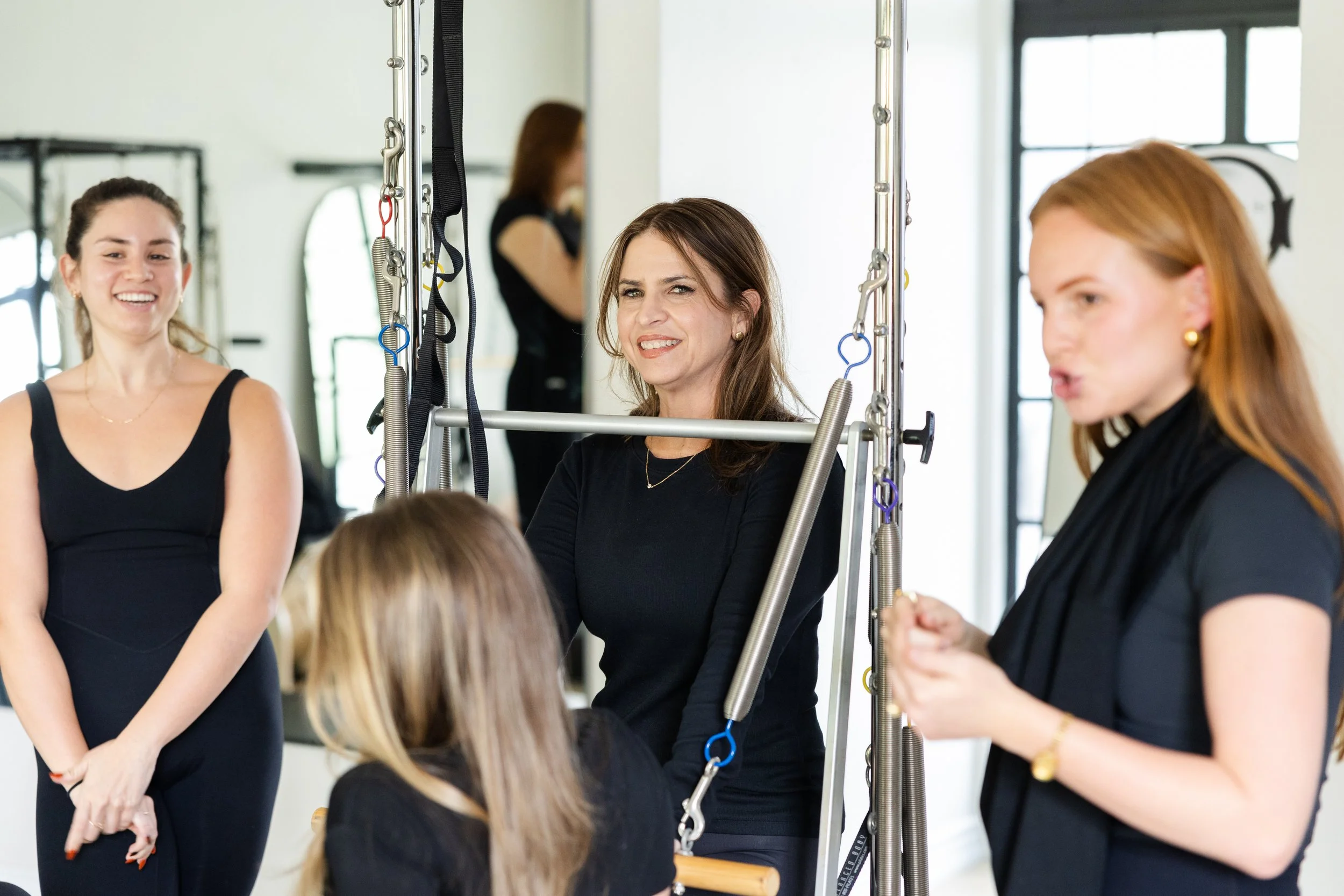
Pilates teaching is very people-y! You can be the world’s most knowledgeable expert about Pilates and still find teaching frustrating. If you don't enjoy working with people — all kinds of people, at all different levels, with varying goals, limitations, and personalities — you’ll likely be unhappy teaching Pilates all day.
If the most appealing part of your vision is mastering the method rather than guiding others through it, take a pause. That doesn’t mean you shouldn’t enroll in teacher training necessarily. You just might want to go into it with the knowledge that you’re there for your own enrichment rather than to start a new career. That self-awareness is admirable.
5. Am I willing to be a beginner?
Nine times out of 10, the trainees that have the most “buyer’s remorse” after enrolling in teacher training are the ones that let their egos get in the way of their education. One of my mentors loved to quote Aristotle’s adage,“The more you know, the more you realize you don’t know!”
Even if you’ve been practicing Pilates for years and progressed to advanced exercises teacher training will humble you. I don’t just mean physically. When you’re new to teaching, you’ll make mistakes. You’ll stand up in front of the room and suddenly forget how to speak or even how to stand like a human being. You’ll have days when you can’t remember the word “elbow” and say something like “bend your arm knee.” (True anecdote from my real life.)
Remember, the only way to get better at a skill is to practice! If you wait to feel ready, you’ll never start. If you’re a long-time Pilates do-er, you’ll also need to be open to learning new approaches to familiar exercises. There is room for plurality in Pilates — no two clients will learn exactly the same way so the more tools you have in your box, the better.
6. Am I realistic about what the day-to-day job actually looks like?
The Instagram version of a Pilates teaching career — beautiful studios, flexible hours, loyal clients — is real for some teachers, eventually. But the early years often look quite different: early morning and evening slots to accommodate client schedules, gaps in the middle of the day you can't easily fill, inconsistent income, and the constant work of marketing yourself and retaining clients. You might teach your first class at 6 a.m. and your last class at 8 p.m. Shadow some teachers, if you can. Ask about their work days. Go in knowing what the grind actually looks like, not just what it looks like at its best.
7. Have I researched the program I'm considering?
Not all teacher training programs are created equal. The Pilates industry is largely unregulated, which means the quality, depth, and credibility of programs varies enormously. Before enrolling, research the certifying body, the lead educators, the curriculum, the number of required hours, and what graduates of the program have gone on to do.
Ask hard questions about mentorship, support, and what happens if you need more time to complete the program. The program you choose will shape the kind of teacher you become. It deserves serious due diligence. Take a class from the lead trainer if you can. Ask if you will have access to the studio for practice teaching hours and what that looks like.
I’ve had great experiences with both the major global “big box” companies and the smaller boutique studio trainings. I’ve also had disappointing education experiences with both. At the end of the day, the trainer’s knowledge and care made the biggest difference.
8. Why do I want to do this — really?
It sounds simple, but it's the most important question on this list.
"I love Pilates" is a starting point, not a reason. Are you drawn to the idea of helping people feel better in their bodies? Do you want to build something of your own? Are you looking for more meaning in your work?
Or are you, honestly, a little burnt out in your current career and hoping Pilates teaching might be an escape? There are no wrong answers here — but there is a difference between running toward a goal and running away from a past experience. Knowing which one is driving you will tell you a lot about whether this decision is built on a solid foundation.
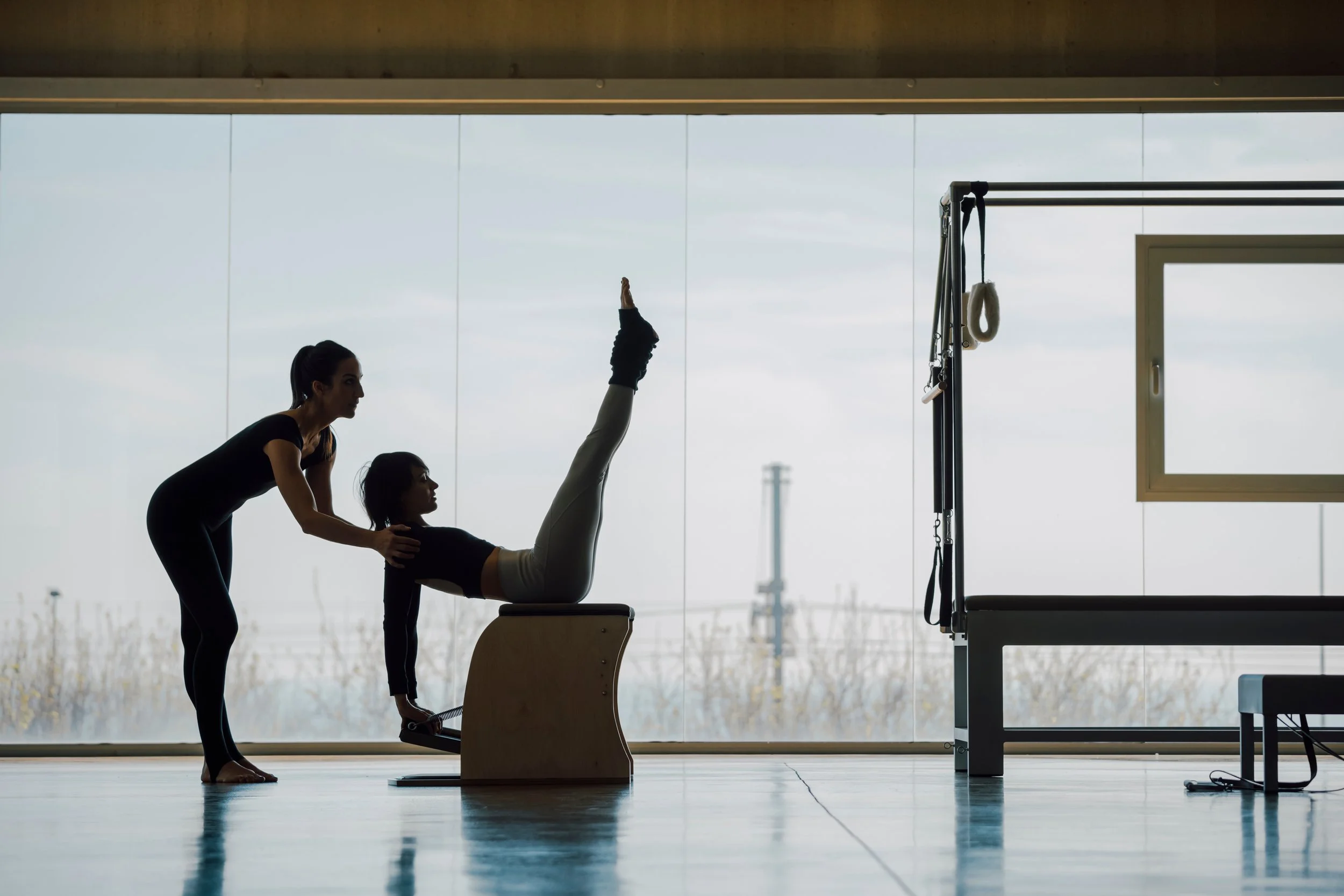
A Pilates teacher assists a client through a teaser on the Wunda chair.
So, now what?
If you worked through these questions and still hear a voice whispering “be a teacher!” listen to that voice! A Pilates career can be extraordinary.
Teaching Pilates means watching someone move without pain for the first time in years. It means building real relationships and community in a time when authentic community is getting harder to find. And the longer you do it, the better you get and the more fun you have.
If you've read this far and your answer is yes — I’m happy to help you find the right program near you. Book a call with me or drop me an email and we’ll chat!
If you’re a Pilates pal local to Western NY or the Finger Lakes, my upcoming EYT Pilates Mat Teacher Training in Geneseo, NY is now accepting applications. This program is designed for people who are serious about becoming skilled, confident, and well-prepared teachers.
Apply here for free and come learn from me!